Food manufacturers increasingly use processed ingredients to simplify production, improve handling efficiency,
and maintain consistent recipes. Dehydrated food products are particularly useful because they offer a convenient
alternative to handling certain fresh ingredients.
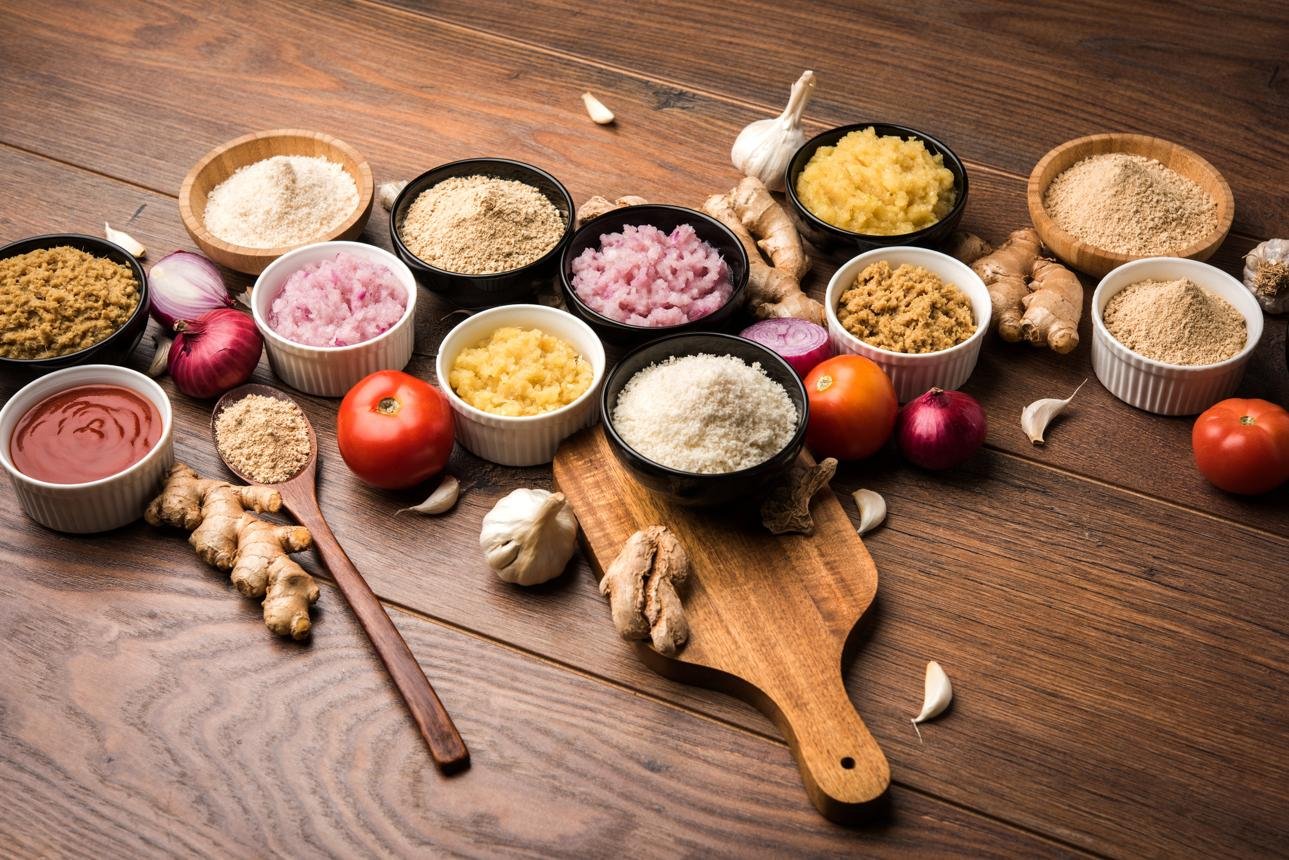
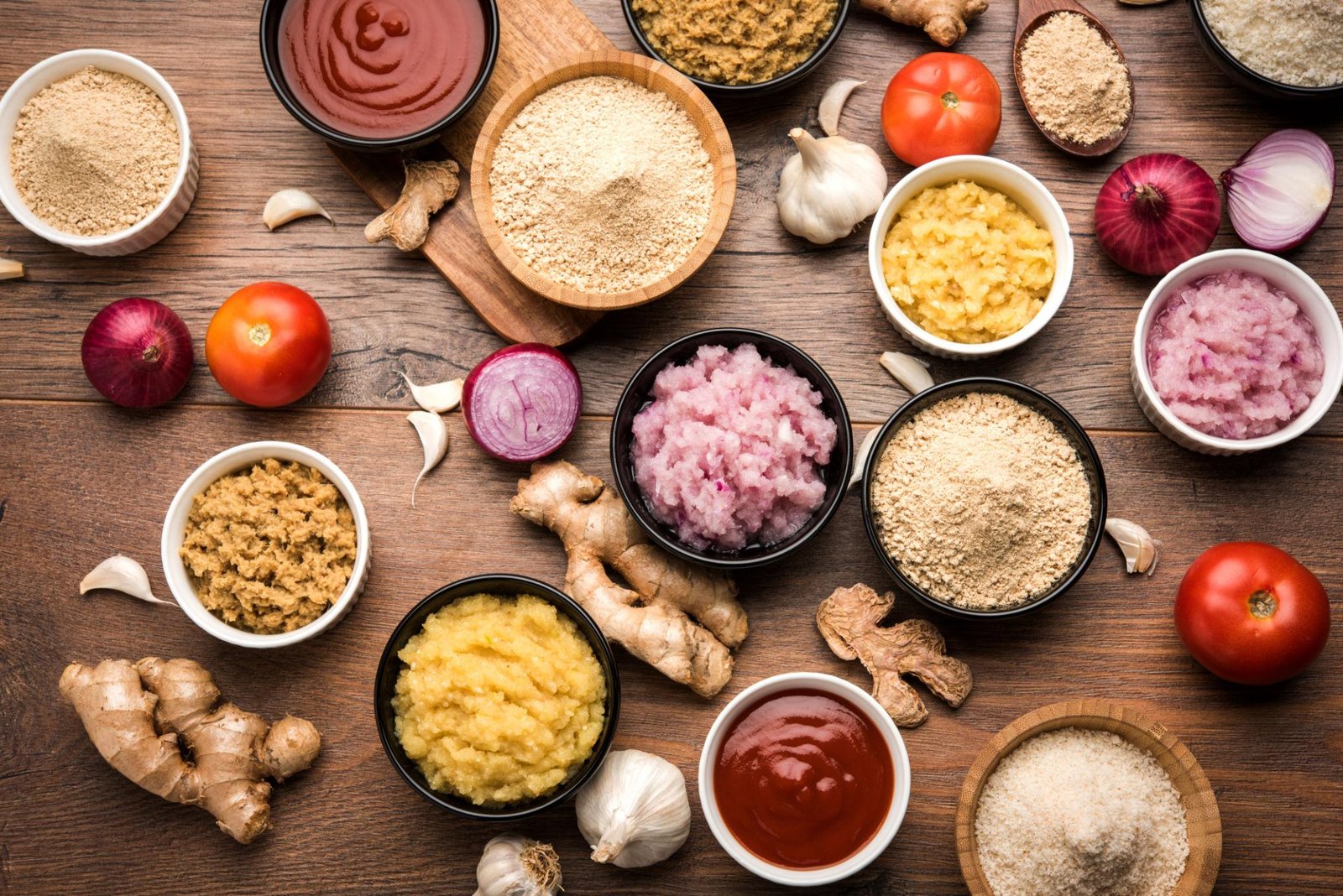
Dehydrated garlic powder, red onion powder, tomato powder, and tamarind powder are examples of ingredients
used in different food preparation and manufacturing applications.
However, the value of a dehydrated ingredient depends on more than convenience. Raw material selection,
processing conditions, moisture management, packaging, and storage all influence the finished product.
What Are Dehydrated Food Products?
Dehydration is a food preservation process that removes moisture from ingredients under controlled conditions.
Reducing moisture can help extend shelf life when the product is processed, packaged, and stored appropriately.
Dehydrated products are commonly available in forms such as flakes, granules, and powders, depending on the
ingredient and intended application. Compared with fresh ingredients, dehydrated products can offer advantages
in transport, storage, portioning, and production planning.
Four Dehydrated Ingredients and Their Applications
Dehydrated Garlic Powder:
Used in seasoning blends, sauces, marinades, snack seasonings, and processed
food formulations. Its powdered form allows manufacturers to incorporate garlic flavour without preparing fresh
garlic for each production batch.
Dehydrated Red Onion Powder:
Used in spice blends, soups, sauces, savoury snacks, and ready-to-cook
products. Consistent particle size and flavour characteristics are important considerations for manufacturers.
Dehydrated Tomato Powder:
Useful in seasoning mixes, instant soups, sauces, snack coatings, and other
formulations requiring tomato flavour. Colour, solubility, and moisture specifications may vary according to the
application.
Dehydrated Tamarind Powder:
Provides a convenient way to incorporate tangy flavour into chutneys, seasoning
blends, sauces, and selected food preparations. Buyers should confirm the required flavour profile and product
specifications before ordering.
Key Quality Factors in Dehydrated Ingredients
Moisture content:
Appropriate moisture levels help support product stability and storage performance.
Colour and flavour:
These characteristics influence the final appearance and taste of food products.
Particle size:
The required fineness or granulation depends on the application and processing equipment.
Purity and cleanliness:
Product specifications should address foreign matter and relevant quality requirements.
Packaging integrity:
Suitable moisture-resistant packaging helps protect the ingredient during transportation and
storage.
Why Dehydrated Ingredients Matter for Food Manufacturers
Dehydrated ingredients can reduce preparation work, simplify storage, and make it easier to measure ingredients
accurately in commercial recipes. They can also help manufacturers maintain more consistent production
processes when incoming material meets agreed specifications. The suitability of each ingredient depends on the
formulation, processing method, and intended application.