Finding the right food exporter is an important decision for international importers, wholesalers, distributors, and
food manufacturers. A supplier must offer suitable products while also understanding purchasing requirements,
quality expectations, and the practicalities of international trade.
Choosing an exporter based only on price can overlook important factors such as product consistency,
documentation, packaging, and communication. A structured supplier evaluation helps buyers make more
informed decisions and establish relationships that support long-term business growth.
1. Evaluate the Exporter’s Product Range
Start by identifying whether the supplier offers the products required for your business. Food manufacturers may
seek dehydrated ingredients for seasoning blends, sauces, snacks, or prepared foods. Distributors may require
different product quantities and packaging arrangements.
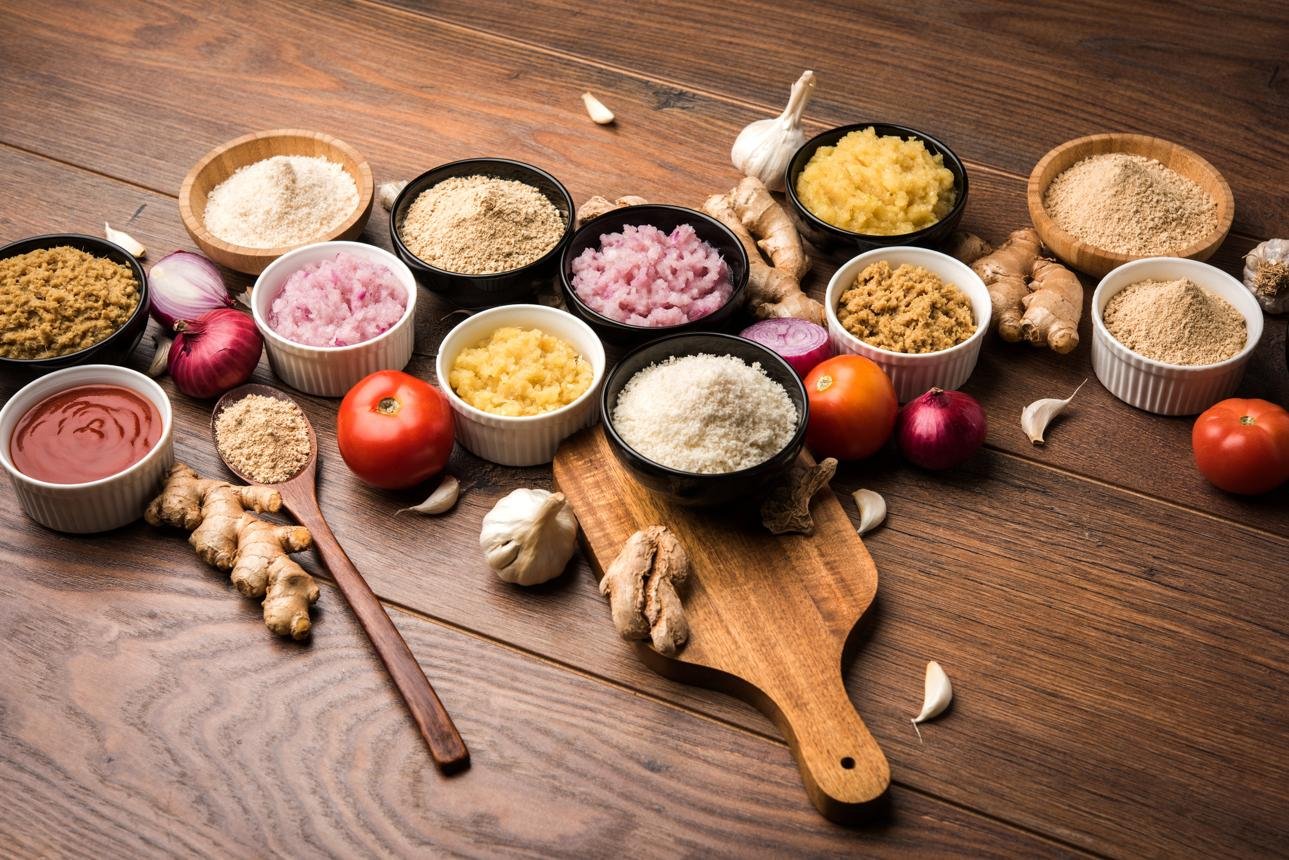
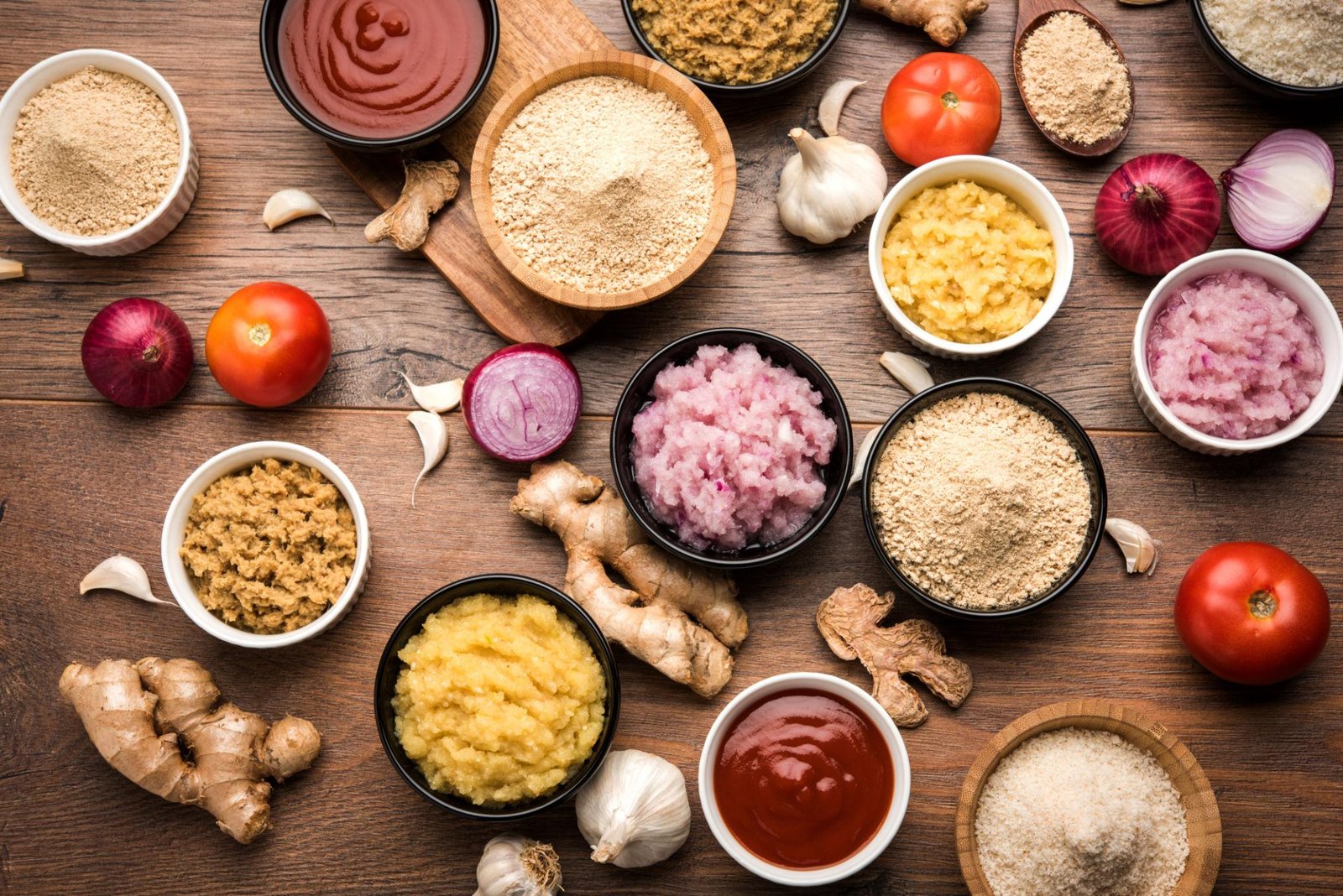
Bhavatu Exports is listed as offering dehydrated garlic powder, red onion powder, tomato powder, and tamarind
powder. Buyers should confirm current availability and suitability directly with the company.
2. Review Product Specifications and Quality Requirements
Before confirming an order, request relevant product specifications and determine whether they meet your
intended application. Depending on the ingredient, important factors may include moisture content and shelf-life
expectations; colour, flavour, aroma, and particle size; purity and applicable microbiological requirements;
ingredient declarations and allergen information where relevant; and testing reports or certificates required by the
destination market.
Do not rely on general descriptions such as “premium quality” alone. Written specifications make expectations
clearer for both parties.
3. Check Food Safety and Regulatory Documentation
Food import regulations vary by country and product category. Depending on the shipment, buyers may need
specific certificates, inspection records, labelling information, or other supporting documents. Ask the exporter
which documents are available and verify that they meet the requirements of the importing country’s authorities.
Where required, independently verify certificates and testing reports.
4. Understand Packaging and Order Quantities
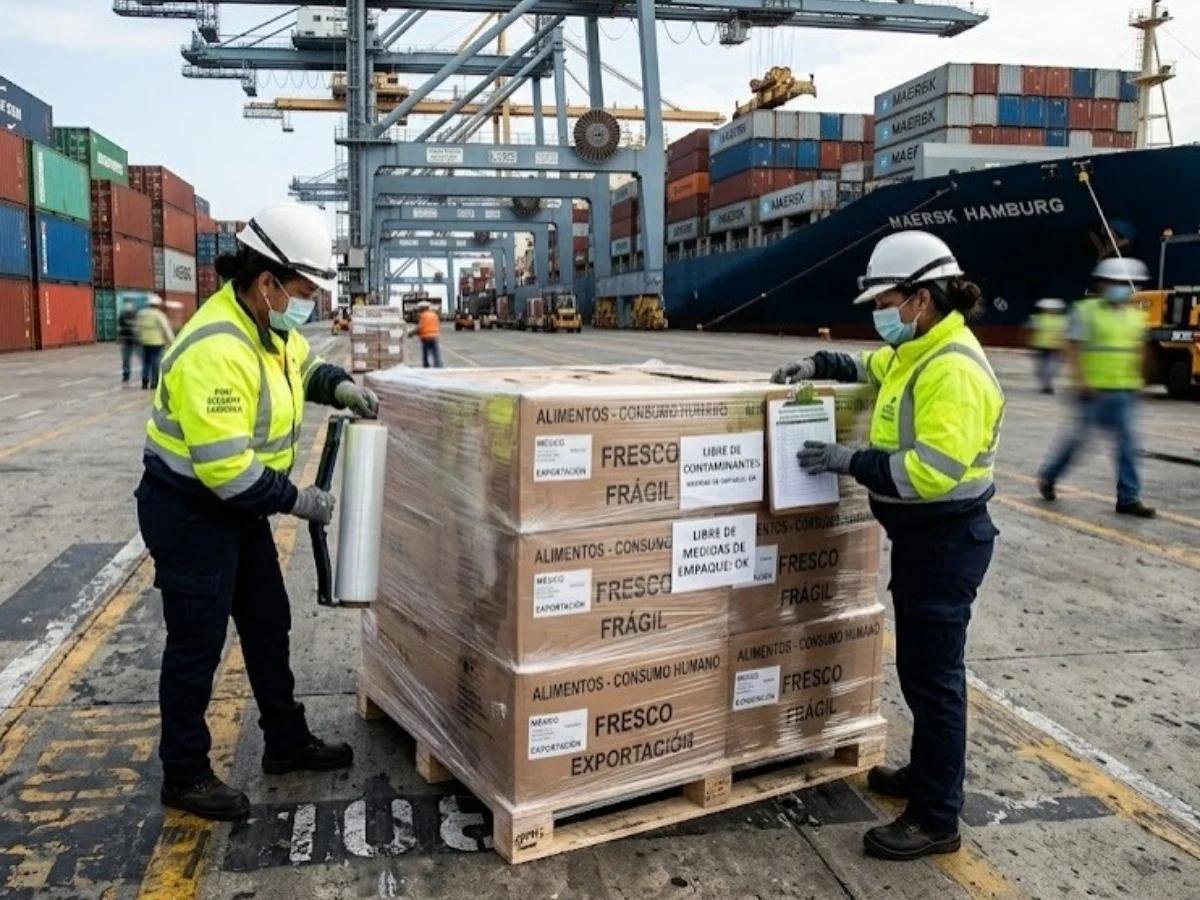
An exporter should be able to discuss packaging formats and commercial quantities relevant to your purchase.
Before confirming an order, clarify minimum order quantity; packaging type and weight; product labelling
requirements; storage and shelf-life conditions; sample availability, if applicable; and whether the required order
volume can be supplied within the agreed timeline.
5. Evaluate Communication and Export Coordination
A professional supplier relationship depends on clear communication. Buyers should receive understandable
information about quotations, product specifications, order confirmation, shipment planning, payment terms, and
required documentation.
Discuss responsibilities in advance, including who arranges freight, insurance, customs-related paperwork, and
other costs under the agreed Incoterms. Transparent communication helps both parties plan effectively and
manage expectations throughout the transaction.
6. Compare Total Value, Not Just Price
The lowest quotation does not always represent the best purchasing decision. Buyers should compare suppliers
based on product suitability, agreed quality specifications, packaging, logistics costs, payment terms,
documentation, and expected delivery timelines. A supplier that meets the buyer’s requirements consistently may
provide greater long-term value than one selected exclusively on initial price.
Partner with Bhavatu Exports
Bhavatu Exports provides an opportunity for businesses to enquire about food products sourced from India.
International buyers can share their target product, required specifications, estimated quantity, packaging
preferences, and destination country to begin a focused discussion. The goal is to establish clear expectations
from the beginning and determine whether the required products and commercial terms can be accommodated.